





Table of Contents
The conversation around modern mental health treatment has recently shifted heavily toward alternative, outside-the-box methods, leading to a massive surge of widespread public interest in microdosing. Originally popularized by individuals safely experimenting with tiny amounts of a traditional psychedelic—such as natural psilocybin or synthetic LSD—to simply boost their daily creativity, this unique practice involves taking completely sub-perceptual amounts of a substance. By taking such a small amount, the user theoretically avoids any intense hallucinations while still reaping subtle cognitive benefits. Unfortunately, this relatively mild trend has unsafely bled into the use of other, far more powerful chemical compounds without adequate medical supervision.
The highly controversial idea of a ketamine microdose has rapidly gained immense traction online as a supposed miracle cure for emotional distress. Many people who are incredibly desperate for lasting relief from severe psychological pain are suddenly turning to low-dose ketamine as a quick fix. However, relying on this completely unproven, heavily marketed method outside of a highly regulated clinical setting is incredibly risky. The practice is largely based on dangerous internet misinformation rather than solid, peer-reviewed medical science, leaving vulnerable individuals entirely exposed to severe neurological and physical risks.
How the Substance Affects the Brain
To properly understand exactly why unmonitored at-home use is so risky, it is highly vital to look closely at how ketamine interacts with the human body. Unlike a traditional daily antidepressant that specifically targets serotonin levels to elevate mood, this powerful compound primarily affects glutamate, which is one of the most abundant and crucial neurotransmitters in the brain. By directly modulating this essential chemical pathway, the drug rapidly spurs the immediate growth of brand new neural connections, which can drastically and quickly improve an individual’s overall psychological disposition.
While these rapid biological changes are incredibly beneficial during highly monitored ketamine therapy, they strictly require precise, carefully measured therapeutic doses to be genuinely effective and safe. Attempting to manage this delicate, incredibly complex brain chemistry completely on your own using unregulated sublingual products or daily lozenges simply does not provide the same scientifically proven neurological benefits. Instead, unpredictable chemical fluctuations can easily destabilize a person’s mood, leading to even greater emotional turbulence and severe psychological distress.
The Hidden Dangers of At-Home Ketamine Use
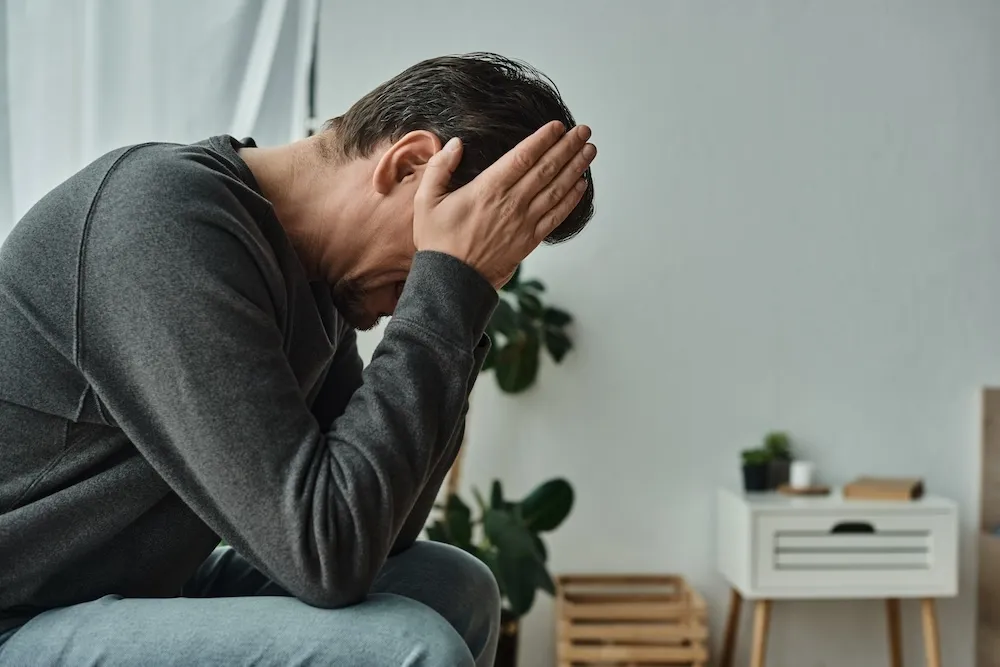
The internet is currently absolutely flooded with fast-paced telehealth companies actively offering at-home prescriptions, usually shipped directly to consumers in the form of rapidly dissolving troches or convenient oral sprays. While these heavily marketed companies boldly claim to safely treat major depressive disorder and severe anxiety completely remotely, the harsh reality is that unsupervised daily use presents massive medical risks. Patients are often left entirely alone in their bedrooms to navigate intense, overwhelming emotional shifts without any immediate professional support or psychological guidance nearby.
Without direct, in-person medical oversight, individuals very quickly build a massive chemical tolerance to the drug, inevitably leading them to consume dangerously high amounts just to feel normal. This unsupervised self-medication is absolutely not a legitimate pathway to genuine psychological healing; it is a rapid, incredibly dangerous gateway to severe ketamine addiction and profound physical dependency. When a patient begins chasing the initial relief by continuously increasing their unmonitored dosage, the theoretical benefits of the drug immediately vanish, replaced by the devastating reality of a full-blown substance use disorder.
Proven Applications for Severe Conditions
It is incredibly important to clarify that this specific medication does have highly legitimate, medically sanctioned applications when it is administered properly by licensed medical professionals. Certain FDA-approved versions, such as an esketamine nasal spray, are legally and safely utilized by trained doctors to help specific patients who have not found adequate relief through standard ssris or other conventional therapeutic methods. When used strictly within the secure boundaries of a professional medical environment, it acts as a powerful, life-saving tool.
These highly monitored medical treatments are deliberately utilized to safely address highly specific, heavily treatment-resistant conditions that severely disrupt everyday life. Common severe illnesses actively treated under this strict medical supervision include:
- Treatment-Resistant Depression: Severe, lingering psychological despair that completely fails to respond to traditional daily medications or standard counseling.
- Obsessive-Compulsive Disorder (OCD): Debilitating, highly intrusive daily thoughts and repetitive actions, commonly referred to as ocd.
- Post-Traumatic Stress Disorder (PTSD): Profound psychological distress, frequently known as PTSD, stemming directly from highly traumatic, deeply painful past events.
- Chronic Pain: Severe, ongoing physical discomfort that drastically impacts a person’s mobility, sleep, and overall daily life.
The Crucial Role of Medical Oversight
One of the absolute most fundamental, non-negotiable principles of any altered-state psychological therapy is the vital concept of set and setting. This critical term refers directly to the patient’s internal emotional mindset and the physical safety of their immediate environment. In a highly professional medical facility, trained clinicians ensure the environment is incredibly calm, physically secure, and perfectly controlled, actively guiding the patient safely through any overwhelming or frightening emotional responses that the medication might unexpectedly trigger.
When individuals attempt to use these powerful, mind-altering substances entirely alone to desperately self-medicate complex eating disorders or general emotional distress, they completely lack this vital clinical safety net. A severely negative psychological reaction experienced entirely without professional support can very easily worsen their original mental health struggles, causing profound new trauma rather than providing the desired relief. Healing complex trauma and emotional pain requires a supportive human connection, not just a chemical substance delivered in the mail.

Finding Safe Support at The Grove Recovery Community
Addressing severe psychological distress requires a solid foundation of evidence-based care, dedicated professional guidance, and absolute environmental safety. At The Grove Recovery Community, we deeply understand the intense, overwhelming desperation that often drives individuals to seek out alternative, completely unproven remedies for their immense pain. However, we also strongly know that true, lasting behavioral change is successfully built through highly structured, deeply compassionate dual diagnosis clinical support rather than risky, unmonitored at-home experimentation.
You absolutely do not have to navigate the overwhelming, crushing weight of severe depression or active chemical dependency entirely on your own. We proudly offer a highly structured, deeply professional clinical environment specifically designed to safely and effectively address the complex root causes of your daily struggles. If you are finally ready to pursue lasting wellness through scientifically proven, heavily supported clinical methods, please connect with our compassionate admissions team today to securely learn how our comprehensive programs can safely guide you toward a much brighter, completely stable future.