






Marijuana doesn’t exactly have the reputation it once did. It’s legal for medical use in many states and for recreational use in others, and cannabis is easier to access than ever. When something is legal or medically accepted, it’s easy to assume that it must be relatively safe.
But legal doesn’t mean harmless. Marijuana can affect the brain in ways people don’t always realize, especially with frequent use. One possible effect is derealization, a strange and sometimes frightening feeling that the world around you isn’t quite real.
If you’ve experienced this while using marijuana, you may have wondered whether the two are connected. They can be. Understanding why cannabis may cause derealization can help make sense of an experience that can otherwise feel pretty scary.
What Is Derealization?
Derealization isn’t the same thing as hallucinating. You’re not necessarily seeing or hearing things that aren’t actually there. It’s more like everything around you suddenly feels a little off, even though you know exactly where you are and what’s going on.
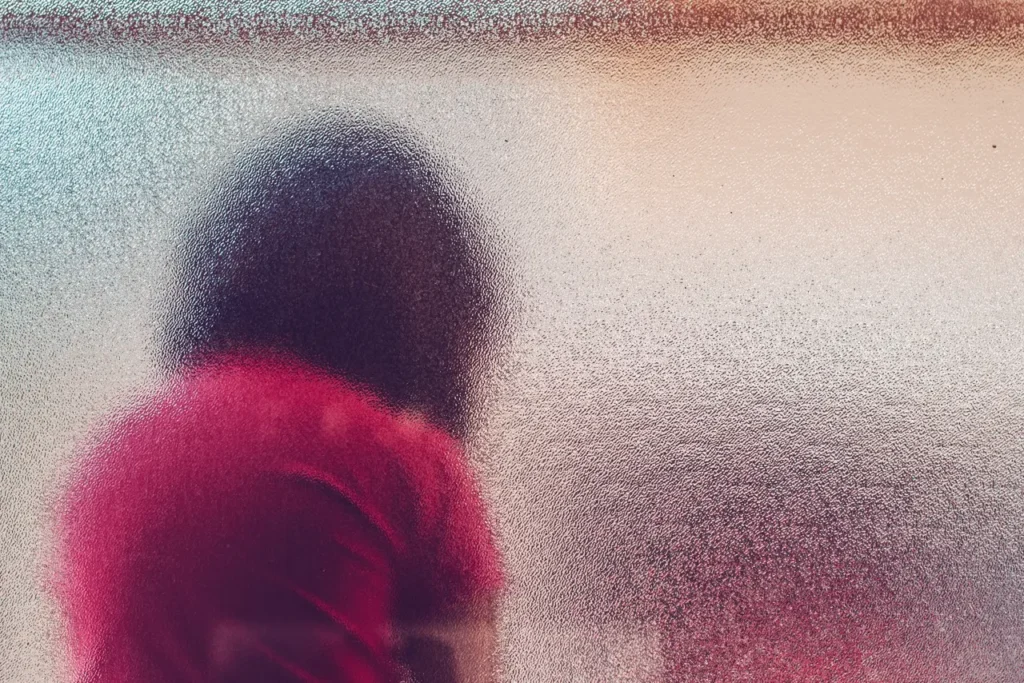
For some people, it feels almost like they’re watching life through a camera. Everything is happening right in front of them, but they don’t feel completely connected to it. You can go about your normal day and still feel like you’re standing just outside of your own experience, watching everything happen.
And it isn’t always scary. Sometimes it’s just strange. Things might feel distant, dreamlike, or somehow different than they normally do. You generally still know what’s real. You just don’t feel quite as connected to it as you usually would.
Derealization vs. Depersonalization
Derealization and depersonalization can feel pretty similar, and some people experience both at the same time. The easiest way to tell them apart is to think about what feels unfamiliar or disconnected.
- Derealization: The world around you feels strange, distant, dreamlike, or somehow unreal. You can still recognize where you are and understand that everything around you is real, but it doesn’t feel quite right.
- Depersonalization: The disconnect is more focused on you. You may feel detached from your body, thoughts, emotions, or sense of self. Some people describe it as feeling like they’re watching themselves from the outside.
Both are forms of dissociation, but having these feelings doesn’t automatically mean you’re losing touch with reality. You can know perfectly well what’s real and still experience dissociative symptoms that leave you feeling completely disconnected from it. Stress and anxiety can play a role, especially for people who already deal with anxiety disorders. For some people, cannabis can make those feelings much stronger or bring them on when they weren’t there before.
How Weed Can Cause Derealization
So why can something that makes one person feel relaxed leave someone else feeling completely disconnected from their surroundings? A lot of it comes down to the way cannabis affects the brain.
THC, or tetrahydrocannabinol, is the main psychoactive compound in cannabis. It’s one of many cannabinoids found in the plant, and it’s the one primarily responsible for the high. It changes the way your brain processes information, emotions, and sensory experiences. For some people, those changes feel pleasant. For others, smoking weed can make the world feel unfamiliar or unreal.
A few things may contribute to derealization when using weed:
- Changes in perception: THC can alter your sense of time, your awareness of your surroundings, and the way you process sensory information. When those changes are great enough, the world around you can start to feel strangely distant or dreamlike.
- Anxiety and panic: Weed doesn’t always calm anxiety. For some people, THC can make anxious thoughts more intense or trigger a panic attack. That sudden rush of fear can bring on dissociative feelings, including derealization.
- Higher doses: The more THC you use, the stronger its effects can be. High-potency cannabis can be especially unpredictable if you’re not used to it.
- Frequent use: Recurrent cannabis use may change how you respond to THC over time. If you’ve started noticing derealization more often, it may be worth looking at how frequently you’re using and whether your products have become stronger.
This doesn’t mean cannabis will cause derealization every time you use it. Your reaction to weed can change depending on what’s going on at the time and how you’re using it. You might have a completely different experience from one use to the next.
Should I Be Worried?
Feeling like the world isn’t quite real after using weed can be unsettling, but it doesn’t automatically mean something is seriously wrong. For many people, the feeling fades as the effects of cannabis wear off.
It may be worth paying closer attention if:
- It keeps happening: If you notice derealization almost every time you use weed, it may be a sign that you’re becoming more sensitive to its effects.
- It sticks around: If you still feel disconnected after you’re sober, especially if it’s happening regularly, it’s worth taking a closer look at what’s going on.
- It’s getting in the way: If you’re avoiding things you normally enjoy or spending a lot of time worrying about whether the feeling will come back, you don’t have to simply live with it.
- Something feels more serious: Hallucinations, severe confusion, intense paranoia, or difficulty telling what’s real are different from typical derealization and should be evaluated by a medical or mental health professional.
You don’t need to panic because you’ve experienced derealization. But you also don’t have to ignore it if it keeps happening. If cannabis consistently leaves you feeling disconnected or uncomfortable, taking a break can be a good place to start.
What If I Need Treatment?
Experiencing derealization doesn’t automatically mean you have a substance use disorder or need addiction treatment. Sometimes stepping away from cannabis is enough to see the symptoms improve. But if you’ve tried to cut back and keep going back to weed, or you’re using it even though you don’t like how it makes you feel, it may be worth getting some support.
Treatment can look different depending on how much support you need. At The Grove, options include:
Partial Hospitalization Program (PHP): PHP provides a more structured treatment schedule for people who need a lot of support but don’t need to stay in a hospital or residential facility around the clock.
Intensive Outpatient Program (IOP): IOP gives you regular therapy and support while leaving more room in your day for work, family, and other responsibilities.
Outpatient Treatment: Outpatient care offers continued therapy and support without the same time commitment as PHP or IOP. It can be a good fit when you need some ongoing help but have more stability in your recovery.
Sober Living: Sober living provides a substance-free place to live while you work on recovery. It can be especially helpful if going straight back to your old environment would make it harder to stay away from cannabis.
Therapy can also help you understand what is behind your cannabis use and find other ways to handle anxiety, stress, or difficult emotions. Cognitive behavioral therapy (CBT), for example, can help you recognize patterns around your cannabis use and work on changing them. You don’t have to wait until weed has completely taken over your life before asking for help. If you’re concerned about your relationship with cannabis, talking with a professional can help you figure out what kind of support may be helpful for you.
You Don’t Have to Figure It Out Alone
If you’ve been experiencing derealization from weed and aren’t sure what’s causing it, you don’t have to sort it all out on your own. Maybe you’re wondering if cannabis is behind what you’re feeling, or maybe you’re starting to question how much you’re using. Either way, talking to someone can help you get a better idea of what’s going on.
The Grove Recovery Community offers treatment for people struggling with substance use, with different levels of care depending on how much support you need. You don’t have to wait until your cannabis use has completely taken over your life to reach out. If you’re concerned about what’s happening, we’re here to talk it through with you.